
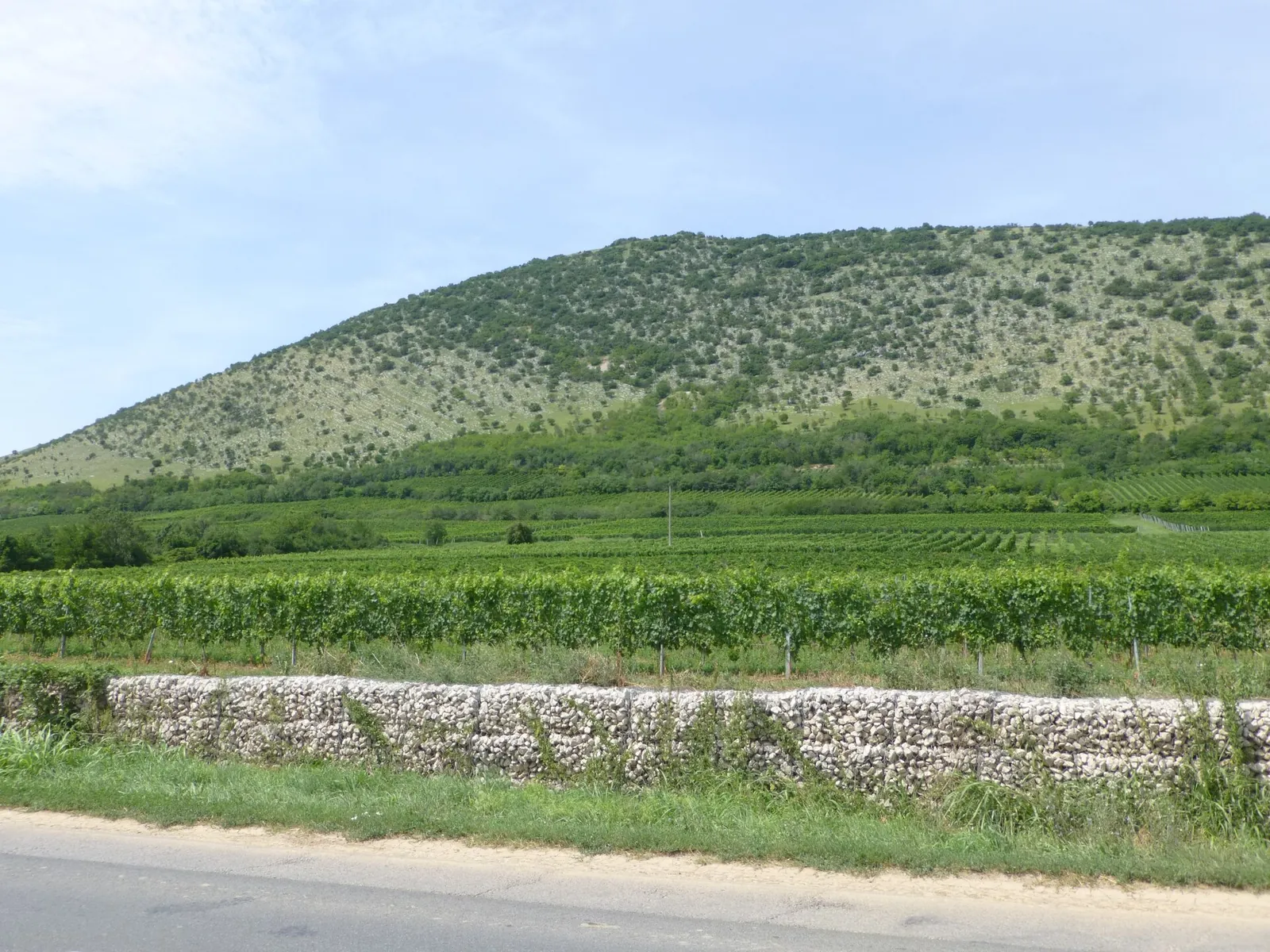
Photo: Jacquesverlaeken, CC BY-SA 4.0, Wikimedia Commons

- By train
- about 40-45 minutes from Pécs, roughly every two hours; the railway station is a 22-minute walk from the building
- By bus
- infrequent, so take the train
- How long
- a full day
- Timetable
- MÁV
According to the official wine region website, the Villány wine region is the southernmost wine-growing area in Hungary, with a sub-Mediterranean climate. It lies south-east of Pécs, about 34 kilometres by road, and you can get there on a direct train. The train is the best option: you don't have to find a driver who won't be tasting that day.
Getting there
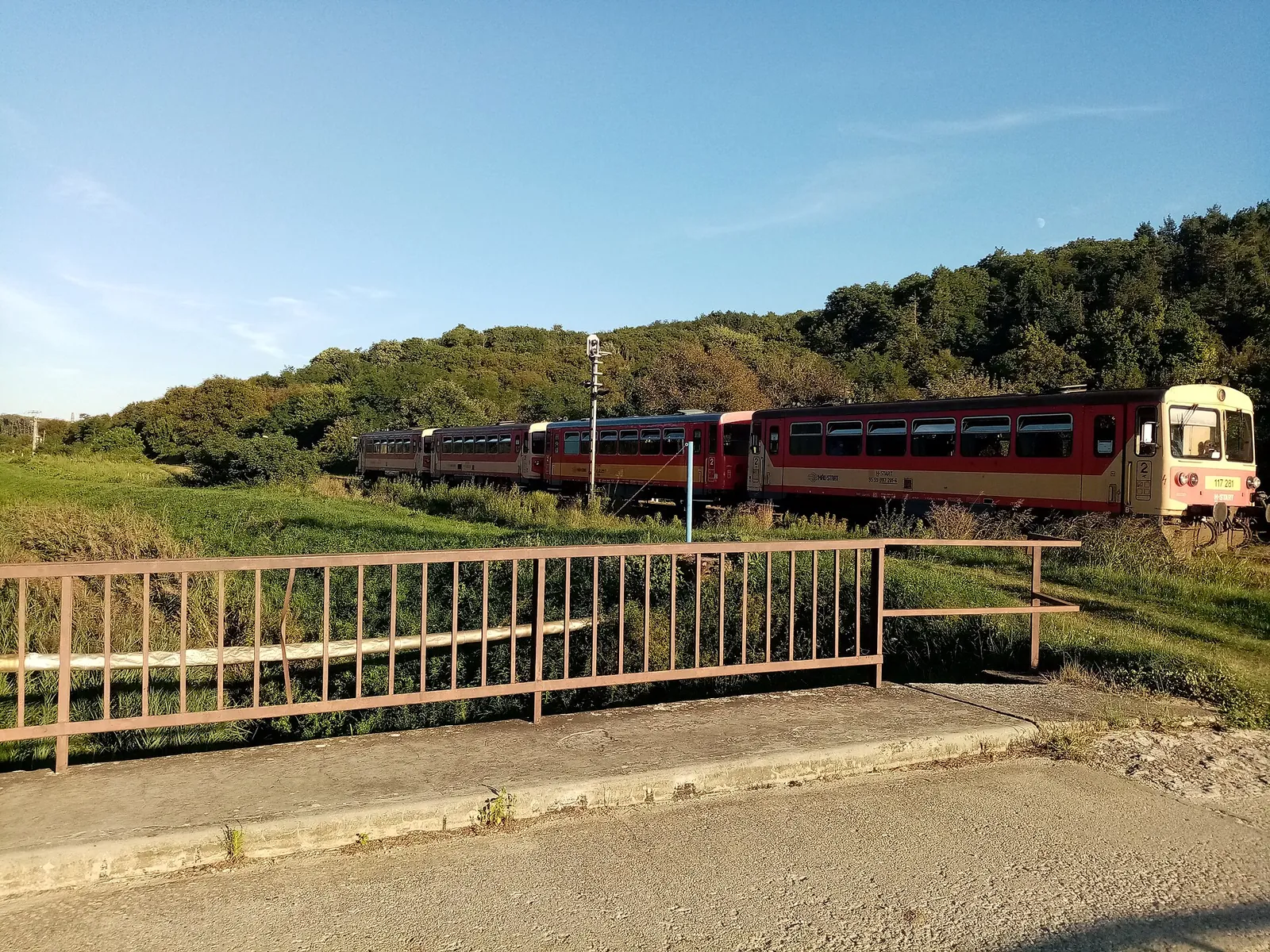
A direct train runs from Pécs railway station to Villány, taking about 40-45 minutes, roughly every two hours. It also stops at Palkonya and Villánykövesd on the way, so you can take in two cellar rows in one day. There is a bus too, but it runs infrequently. Trains run back in the evening as well, but do check the last departure in the timetable in advance.
For the big wine region events, such as the Villány Red Wine Festival, MÁV (Hungarian State Railways) sometimes runs extra trains: keep an eye on their announcements.

What to drink in Villány
Villányi Franc: the region's flagship wine, a red based on Cabernet Franc. Portugieser: brought by the Germans who settled here in the 18th century; according to the official website there isn't a winery in Villány that doesn't offer it. It's also used for the region's light-bodied brand, Villányi REDy. Kadarka arrived with Serbian settlers during the Ottoman period.
In 2006 Villány was the first region in the country to introduce its own protected designation of origin system. Wines with protected origin are marked with an autumn crocus flower on the bottle.
Cellar rows
Villány
The cellar row on Baross Gábor utca is on the town's main street, and its oldest press houses were built in the 17th and 18th centuries. According to the wine region website, the venues are open all year round. Villány is also home to the Villány Wine Museum, in the former press house of Zsigmond Teleki. Teleki's rootstock varieties made it possible to replant vineyards across Europe after phylloxera.
Villánykövesd
Perhaps the most beautiful cellar row in the region: the press houses stand in two rows, one above the other, and according to the village almost all of them, 58 press houses in total, are listed national monuments.
Palkonya
A cellar village on six levels, laid out in streets, with a listed cellar row. The train stops here too.
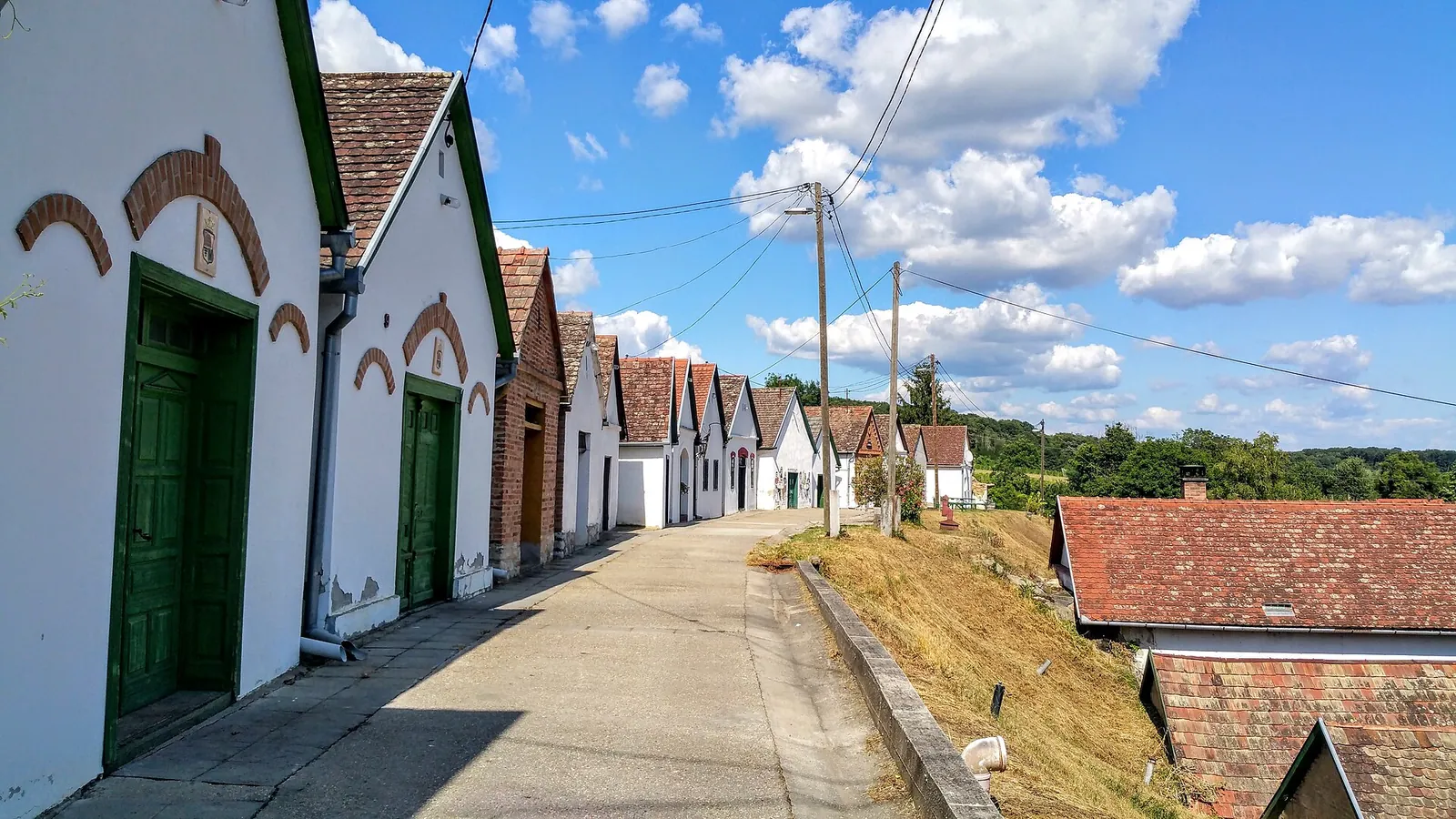

Which cellar should you drop into? The official wine region website has a list of wineries and events.
If you go by car
At the foot of Szársomlyó hill, in Nagyharsány, is the Nagyharsány Sculpture Park: sculptors have been working in an abandoned quarry here since 1967, and today there are 130 works to see. Nearby is Siklós Castle, which the wine region website calls one of the best-preserved historic monuments in the country, with a wine museum inside. By train these are hard to fit into one day.