
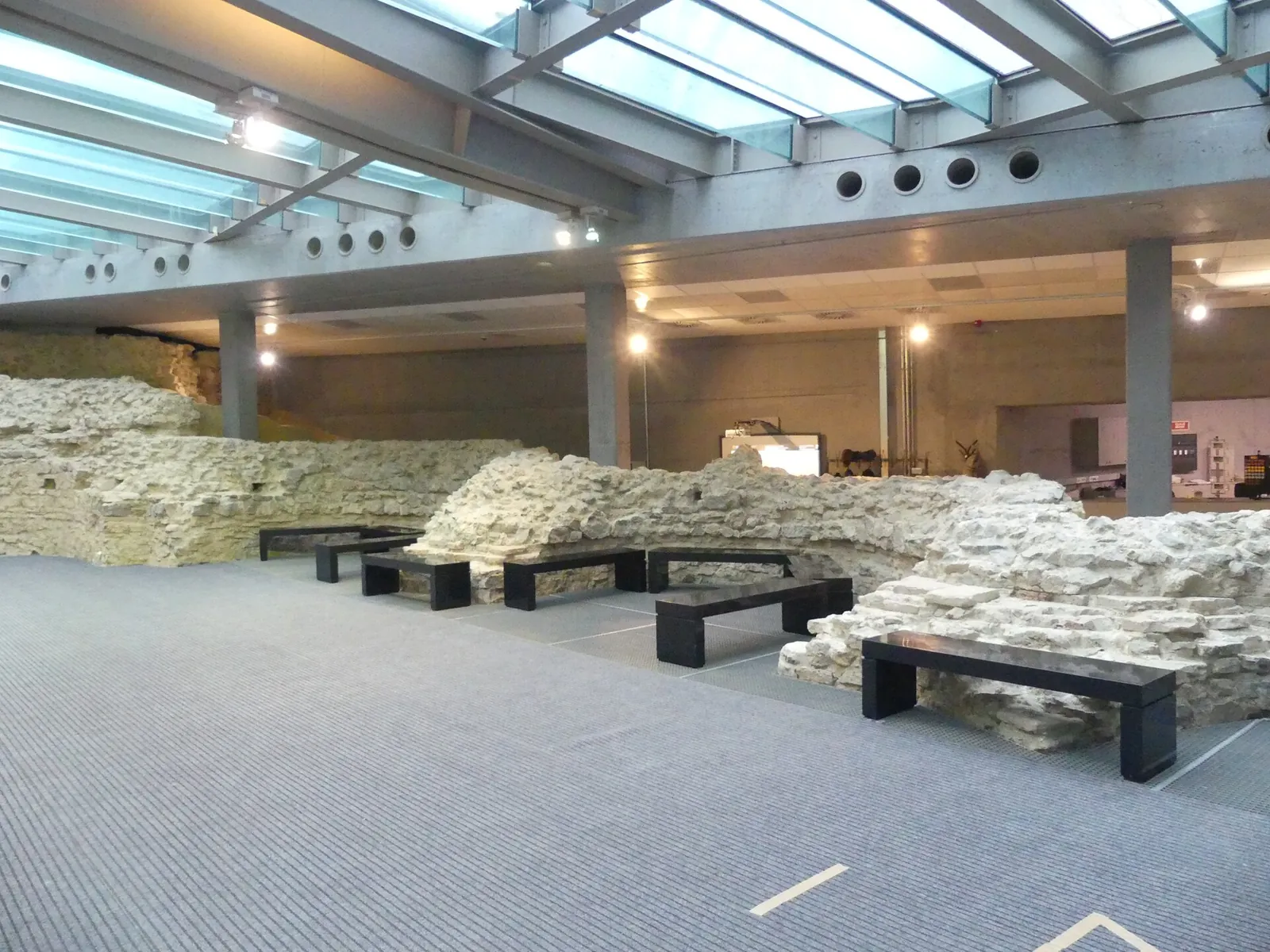
Photo: Elekes Andor, CC BY 4.0, Wikimedia Commons

- On foot
- 9 minutes from the building, the Bazilika 11 minutes
- Monday
- closed
- Ticket
- the World Heritage ticket (Világörökség jegy) is valid for two days
- Tickets, opening hours
- vilagoroksegpecs.hu
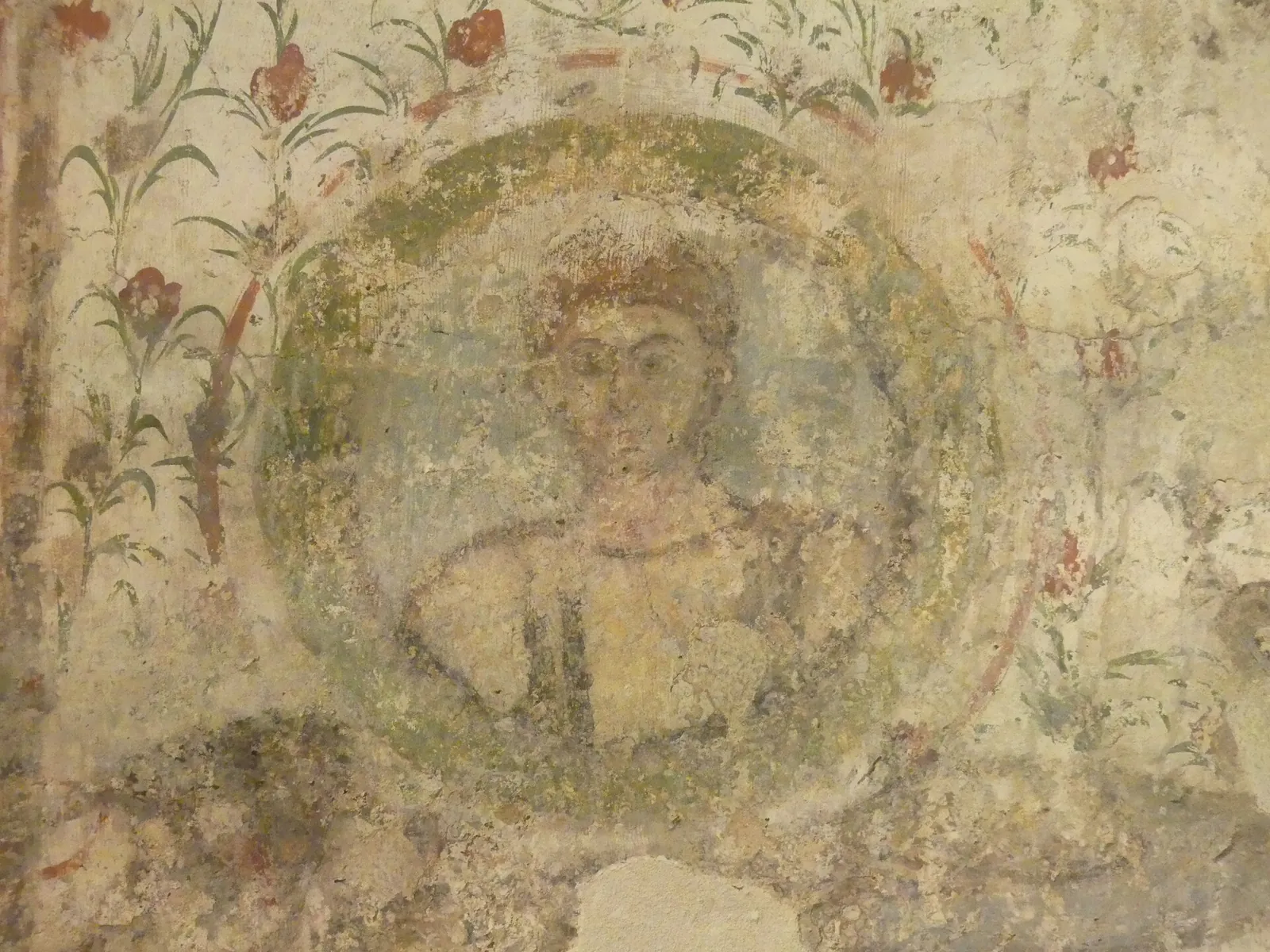
Sopianae, the Roman town that came before Pécs, was at its height in the 4th century, when it became the civil administrative centre of the province of Valeria. The town lay under today's old town, and decorated tombs were built in its cemetery. These were underground burial chambers with a memorial chapel above them, their walls covered in high-quality paintings on Christian themes.
According to UNESCO, this is the richest group of tomb types in the northern and western provinces of the Roman Empire. The World Heritage Site's official name is Early Christian Necropolis of Pécs (Sopianae); it was added to the list in 2000 and includes 16 structures.
What you see at the visitor centre
The Cella Septichora Visitor Centre links the remains under Dóm tér into a single complex you can walk around. You can see six two-storey burial chambers and two larger single-space buildings.
Cella Septichora
A seven-lobed cemetery building, which gives the visitor centre its name.
Peter and Paul burial chamber
It came to light in 1782, while the foundations of the Chapter Archives were being laid. On the north wall the apostles Peter and Paul point to the Chi-Rho, and on the ceiling there is a scene of paradise with vines, a peacock and four young figures in medallions. The way down to it leads from burial chamber no. IV.
Jug burial chamber
It was found in the 18th century, when the Pécs cellar system was being dug, and fully excavated in 1964. It is named after the jug and cup painted in the niche on its north wall.

The separate sites
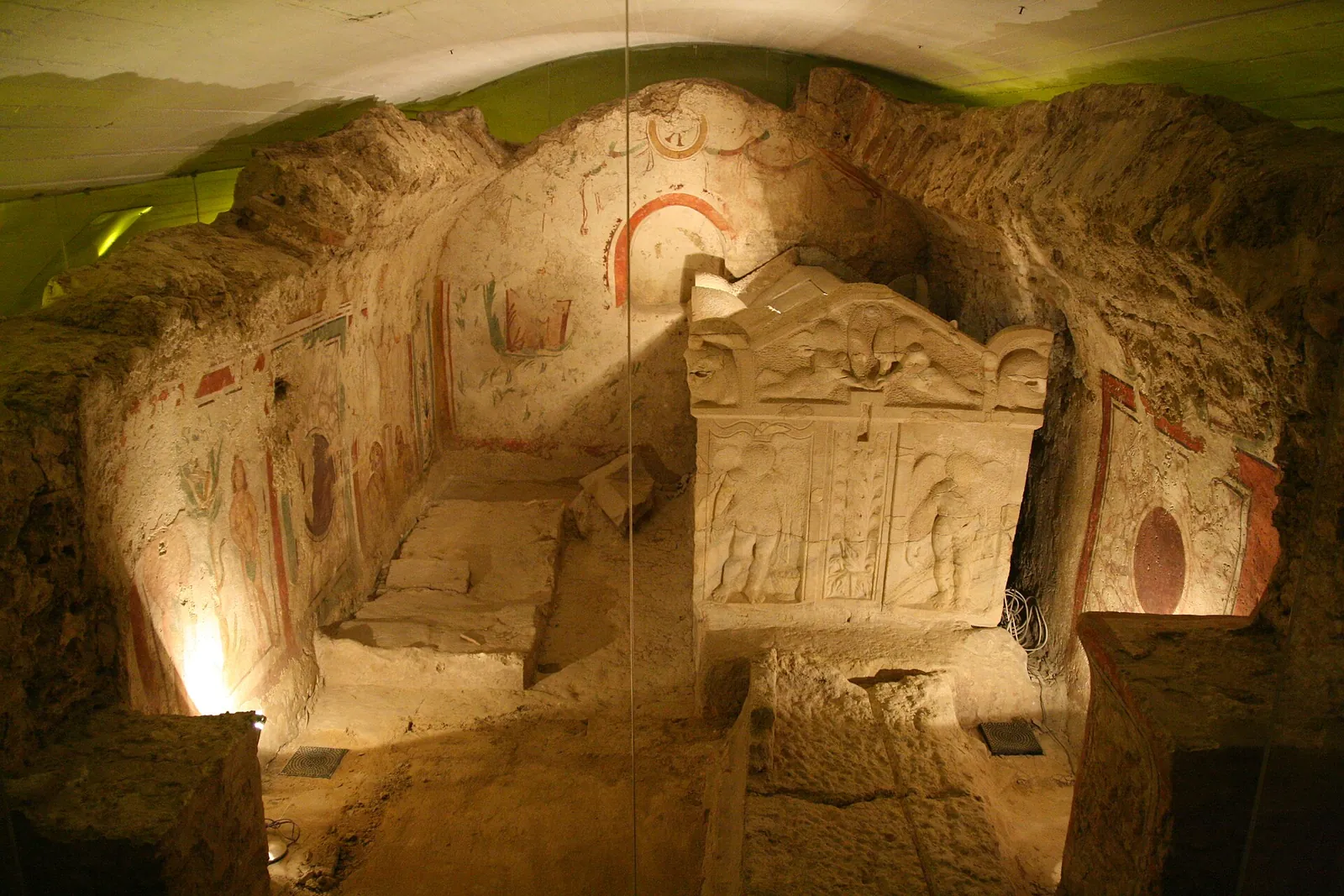
Early Christian Mausoleum
On Szent István tér, in a separate building. It was discovered in 1975, during repairs to the stepped cascade on the square. A carved sarcophagus stands in its crypt, and the walls show the Fall of Adam and Eve, Daniel in the lions' den and the tree of life.

Apáca utca tombs
At Apáca utca 8, 9 minutes from the building. A painted double tomb and further graves, which you can visit on a guided tour. Check the times on the official website.
Tickets and opening hours
The visitor centre is open Tuesday to Sunday and closed on Mondays. The World Heritage ticket covers the Cella Septichora, the Early Christian Mausoleum and the Apáca utca tombs, and is valid for two days. If you also want to see the Zsolnay Quarter, the Heritage ticket (Örökség jegy) covers both and is valid for four days. You'll find exact times and prices on the official website.
Getting there
On foot from Széchenyi tér via Janus Pannonius utca and Apáca utca. By car, you need a permit to drive into Szent István tér and Apáca utca; the nearest car park is on Barbakán tér.